The Silk Road of the 21st Century: Why the EU–India FTA is a Geopolitical Game-Changer
Standing on the bustling streets of Bengaluru last month, surrounded by the hum of a tech ecosystem that rivals Silicon Valley, one thing became crystal clear: the center of gravity of the global economy has shifted. For too long, Europe has viewed the Indo-Pacific through a lens of cautious distance.
But after my recent visit to New Delhi and Bengaluru with the European Parliament’s Delegation for relations with India, I am convinced that the "EU–India moment" is no longer a prospect—it is a reality.
The timing could not be more critical. On January 27, 2026, we reached a historic milestone: the formal conclusion of the EU–India Free Trade Agreement (FTA). Described by many as the "mother of all trade deals," this pact does far more than just slash tariffs. It builds a bridge between the world’s two largest democratic marketplaces, creating a combined free market of two billion people.

Beyond the Balance Sheets
While the economic figures are staggering—projections suggest EU exports to India could double by 2032, saving our businesses €4 billion annually in duties—the true value of this agreement is strategic.
In an era of "de-risking" and increasingly volatile global supply chains, Europe cannot afford to be a bystander in the Indo-Pacific. We need partners who share our commitment to a rules-based international order, democratic values, and sustainable growth.
India is not just a market; it is a "like-minded" titan. From the corridors of power in New Delhi to the innovation hubs of Karnataka, the message I received from Indian ministers and business leaders was unanimous: India is ready to be Europe’s most reliable anchor in Asia.
The Corridor of Opportunity
The FTA is the engine, but the India-Middle East-Europe Economic Corridor (IMEC) is the tracks upon which this partnership will run. This isn't just about moving containers faster; it’s about a fundamental re-engineering of global trade architecture. By linking India to Europe via the Gulf through an integrated rail and shipping network, we are slashing transit times by 40%.
During our visit to Bengaluru, I saw firsthand how European SMEs—from Italian electronics firms to German green-tech innovators—are already positioning themselves to leverage this corridor. The FTA removes the barriers, and IMEC provides the hardware. Together, they offer a sustainable alternative to monopolistic trade routes, ensuring that our supply chains for everything from semi-conductors to green hydrogen remain resilient and diverse.

A Partnership of Peers
What struck me most in Bengaluru was the sheer scale of India’s digital and green transition. This is a country that is not merely catching up; in many sectors, it is leading. The FTA includes unprecedented cooperation on the "Twin Transition"—digital and green. Our partnership on green hydrogen and offshore wind will not only help meet Paris Agreement goals but will create high-quality jobs from Ljubljana to Lucknow.
Furthermore, the new Mobility and Migration agreement signed alongside the FTA is a masterstroke for our services sector. By creating legal, streamlined pathways for Indian students and skilled professionals to work in the EU, we are addressing our labor shortages with some of the brightest minds on the planet, while ensuring that the "human enablers" of our partnership are protected and valued.
The Road Ahead
Of course, an agreement on paper is only the beginning. As we move toward formal ratification and implementation in 2027, the European Parliament will remain a vigilant yet enthusiastic partner. We must ensure that the benefits of this deal reach our small businesses and that our standards for sustainability and labor are upheld.
But let us not lose sight of the forest for the trees. For decades, the EU and India were described as "natural partners" who never quite managed to find their rhythm. That era of hesitation is over.
By choosing India, Europe is choosing stability over volatility and cooperation over isolation. We have found a partner that understands that prosperity without security is a house of cards. As I looked out over the skyline of New Delhi, I didn't see a distant land; I saw the future of European competitiveness. The EU–India trade corridor is open for business, and it is the most promising path we have walked in a generation.
This article is written by
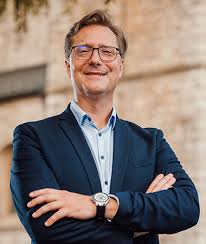
Vladimir Prebilič Slovenian Member of the European Parliament (Greens/EFA)
European Parliament’s Standing Rapporteur on India
Note:- The Honourable Member of the European Parliament was part of an 11-member delegation from the European Parliament that visited India for the 16th EU–India Inter-Parliamentary Meeting (IPM). This publication covered the visit.
Disclaimer
The views and opinions expressed in this article are those of the contributor and do not necessarily reflect the official policy, position, or editorial stance of EIJ. EIJ provides a platform for diverse perspectives and informed debate. Responsibility for the accuracy of facts and interpretations rests solely with the author.


Comments