How India and Europe Are Stitching a Sustainable Fashion Future


The Indian government is taking clear steps to strengthen its position in the global apparel market through new dialogues with European partners. Neelam Shami Rao, Secretary in India’s Ministry of Textiles, recently sat down for wide-ranging discussions with top representatives from the European and French textile and fashion industries at Le Bourget in Paris.
These meetings aimed to strengthen trade partnerships between India, France, and the broader European Union, with a shared focus on advancing India Europe sustainable fashion and building sustainable textile supply chains.
Growing Trade Ties
The European Union is currently India's second-largest export destination for textiles and apparel, trailing only the United States. To put the market's size into perspective, the EU's total global imports of textiles and clothing reached $263.5 billion in 2024. Recognizing this massive potential, the discussions in Paris focused on how to better connect India’s manufacturing scale with European fashion demands.
According to the Ministry of Textiles, the talks aimed to foster closer ties directly between businesses in both regions.
India currently exports a wide variety of products to the EU, with ready-made garments making up about 60% of these shipments, followed by cotton textiles at 17%.
By matching India's diverse production capabilities with European buyers, both sides hope to build a more collaborative and profitable trade relationship.
Focus on Sustainable Fashion
Consumer habits and new government rules are pushing the clothing industry toward greener practices. The talks at Le Bourget directly addressed these changes, looking at ways to work together on sustainability, circular economy practices, and textile innovation.
European countries, particularly France, are setting strict new rules for environmental responsibility. For example, France's 2020 Anti-Waste Law for a Circular Economy requires brands to fund the collection, sorting, and recycling of post-consumer textiles, and mandates that products be recyclable or reusable by 2025. The European Union is also implementing Extended Producer Responsibility rules that make brands accountable for their products' end-of-life processing. By focusing on these high-value, sustainable textiles, Indian officials are working to ensure their domestic manufacturers can meet these strict new European benchmarks.
Visiting Major Trade Fairs
The Indian delegation didn't just hold closed-door policy meetings; they also spent time exploring the broader commercial market. Secretary Rao, joined by key figures from the Indian textile industry, visited Première Vision and Texworld Paris. These events are widely considered Europe’s largest professional trade fairs for fabric and garment sourcing.
Walking the trade show floor gave Indian officials a firsthand look at shifting fashion trends and a chance to speak directly with international buyers from across the European Union.
Indian Brands Take the Stage
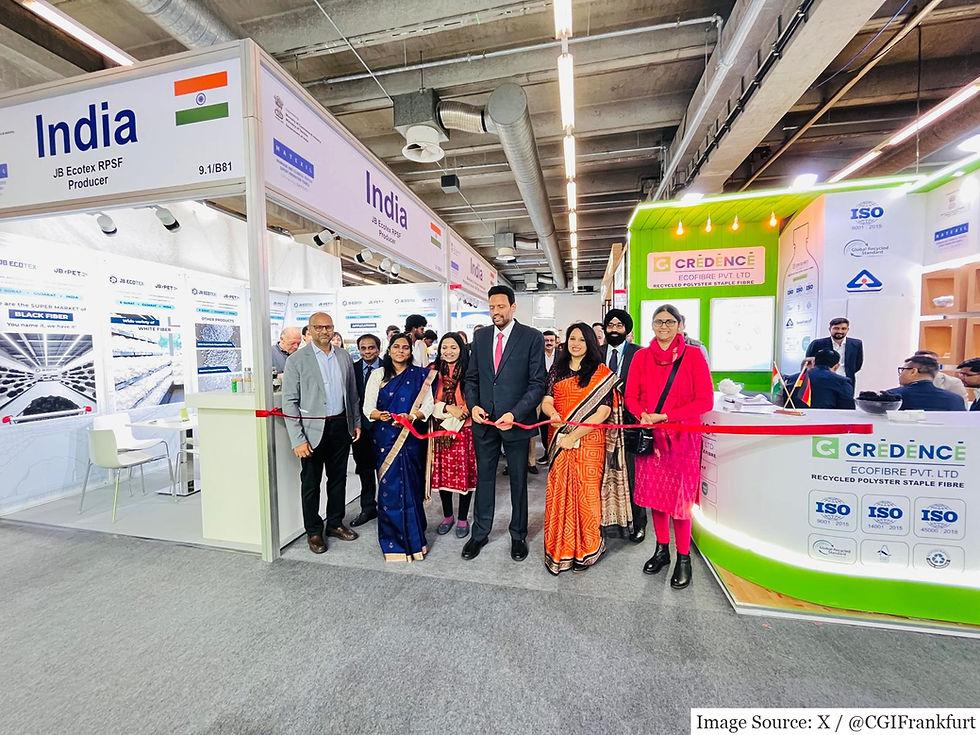
A major highlight of the European trade fair circuit was the strong showing by Indian manufacturers. At Texworld Paris alone, 75 Indian exhibitors set up booths to showcase their products to a global audience.
This large turnout highlighted India's foundational strength in the textile sector, demonstrating the country's growing manufacturing capabilities and product diversity. With the Indian textile sector directly employing around 45 million people, having a strong presence at these international fairs is crucial for sustaining and growing the industry. It gave European buyers direct access to the quality and technical innovations coming out of Indian factories.
Next Steps for Global Cooperation
Official updates from the Ministry of Textiles suggest a highly positive outlook for the future of international trade. Both the Indian and European representatives expressed a firm commitment to deepening their partnership.
As the global apparel industry shifts toward more responsible production, the cooperation between India's Ministry of Textiles and European fashion leaders marks a significant step forward. The recent meetings in Paris lay out a clear path to combine India's large-scale manufacturing with Europe's growing demand for circular, eco-friendly fashion. Through continued effort, both regions are working toward a textile market that is efficient, collaborative, and ready for the future



Comments