Scanning the Future: How Europe’s Upcoming Digital Passport Rules Are Rewriting Indian Trade

A quiet transformation is taking shape across European retail shelves that will soon reshape how physical products are manufactured, tracked, and traded across international borders. Upcoming regulatory frameworks in the European Union will soon require physical goods—ranging from cotton apparel to high-tech electronic equipment—to carry a digital identity tag linked directly to a complete virtual profile.
This upcoming system, known as the Digital Product Passport, aims to foster circular economic practices and supply chain transparency by disclosing material origins, chemical safety, durability metrics, and overall environmental footprints. For India, whose key export industries rely heavily on European buyers, this coming era of digital transparency marks a pivotal shift in how products are produced, documented, and shipped.
Unpacking the Digital Identity Tag
The digital product passport functions as an interactive virtual credential accompanying every product, component, or material placed on the market. Rather than relying on traditional paper documents that can be lost or altered, scanning the physical item provides instant access to an updated digital record. This interaction is enabled by data carriers, such as scannable barcodes, electronic chips, or quick-response tags embedded directly into goods during production.

Access rights within the digital platform will be structured according to specific user roles defined by regulatory guidelines. Everyday consumers can scan a product using a smartphone to review care instructions, repair guides, and sustainability credentials.
Meanwhile, commercial buyers, repair technicians, and border inspection authorities will access technical compliance files, component weights, chemical safety disclosures under European environmental standards, and recycling instructions.
A Phased Horizon for Global Suppliers
European authorities are preparing the core central infrastructure required to host and verify these virtual passport records.
Rather than imposing an immediate compliance deadline across all commercial items, the framework will roll out through a progressive schedule targeting priority product categories.
Industrial energy equipment, electronic hardware, and transport batteries will lead the initial phases of mandatory implementation. Priority consumer goods, including textiles, footwear, and home furnishings, are slated to follow as sector-specific delegated acts are finalized. Furthermore, economic operators will receive transition grace periods after detailed rules are published, granting international manufacturers essential time to adapt their production processes and data management systems.
The Deep Ties of Bilateral Commerce
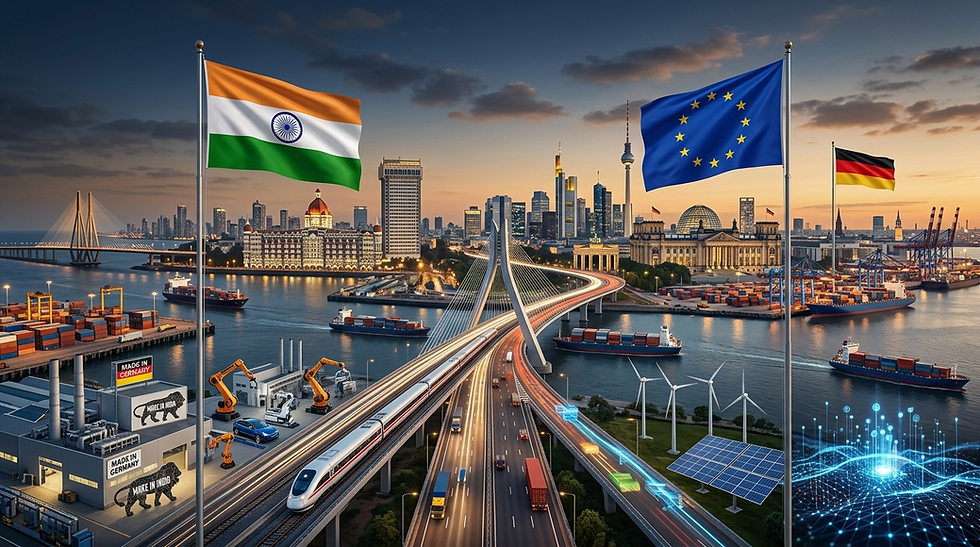
The economic relationship between India and the European Union remains one of the world's most vital commercial partnerships. Bilateral merchandise trade between the two partners reached 136 billion US dollars in recent annual totals, reflecting steady and robust expansion. Over the past five years, merchandise trade between India and the bloc expanded by nearly 36 per cent, underlining growing commercial interdependence.
The European single market is a primary destination for Indian goods, absorbing approximately 16 per cent of India's overall merchandise exports. India's export basket combines high-value goods, pharmaceuticals, and organic chemicals with traditional, labour-intensive manufactures. Goods such as apparel, leather products, footwear, and handcrafted jewellery generate valuable export revenues and support millions of domestic livelihoods. Additionally, bilateral trade in services has grown to reach 83.10 billion US dollars, demonstrating the multi-faceted nature of economic ties.
Preparing the Loom for Digital Verification
India’s textile and garment industry sits at the front line of this upcoming regulatory transition. Ranking as the world’s sixth-largest exporter of textiles and apparel, India accounts for a 4.1 per cent share of global textile trade.
The sector contributes 8.63 per cent to India’s total export earnings, with the European Union and the United States together receiving 49.2 per cent of all foreign textile shipments. Beyond export revenues, the sector serves as a massive employment engine, providing direct jobs for 45 million people and supporting over 100 million livelihoods indirectly across spinning, weaving, garmenting, and artisan clusters.
Textile producers across prominent manufacturing hubs are taking proactive steps to trace raw materials from cotton fields and synthetic fibre facilities to finished garments. By recording fibre composition, chemical treatments, and water management metrics early, Indian textile exporters are preparing their supply chains to align smoothly with upcoming European market expectations.
Bridging Physical Goods and Digital Systems
Deploying digital product passports requires establishing secure connections between physical items and digital information repositories. Scannable tags adhering to standard web link protocols enable scanned product codes to resolve directly to verified online information hubs.
Exporters will compile verified environmental performance indicators for each product line. Standardised life-cycle assessments following international standards like ISO 14067 will quantify carbon footprints and resource utilisation in consistent, audited units. Automated data exchange platforms will allow Indian exporters and European importers to transmit mandatory details directly to central digital registries, facilitating efficient customs clearance at European entry ports without logistical delays.
Strategic Opportunities and Supply Chain Resilience
Rather than viewing these upcoming rules as an administrative hurdle, early adoption offers Indian manufacturers an opportunity to strengthen their competitive position in global markets. Transparent sourcing, verifiable recycled content, and accessible environmental metrics build deep trust with international buyers and sustainability-minded consumers.
Government-backed skilling initiatives, such as the Ministry of Textiles' Samarth scheme, are helping manufacturing units upgrade technical capabilities and upskill workers for modern production standards. As bilateral economic dialogue continues to progress alongside trade agreement discussions, digital product transparency is becoming an essential feature of modern commerce. By embedding digital traceability into manufacturing operations today, Indian exporters are building resilient, future-proof supply chains for global trade.


Comments