India-EU Free Trade Deal Seen as Milestone for Indo-German Commerce

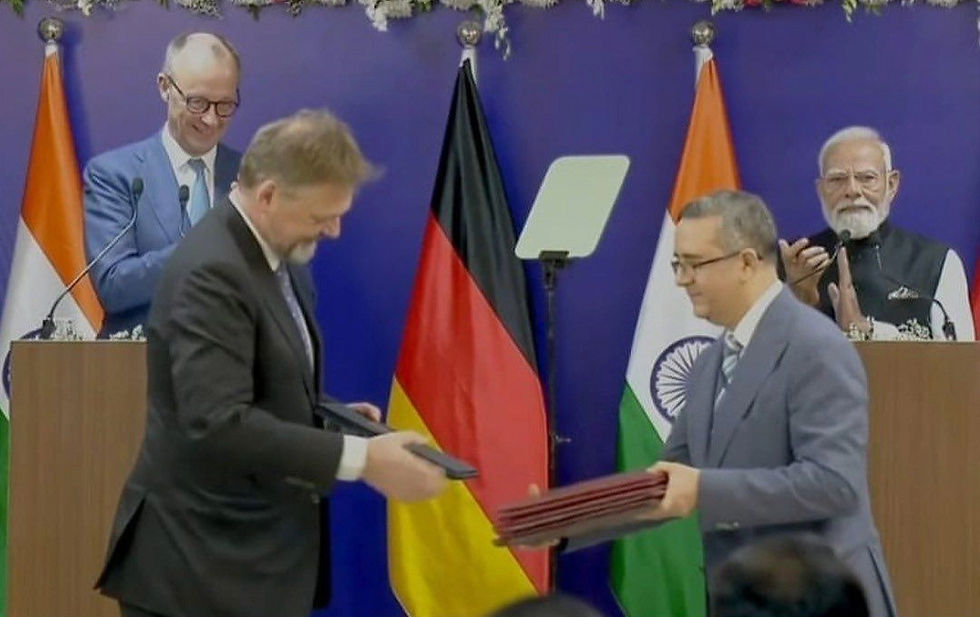
Germany’s Consul General in Mumbai, Christoph Hallier, says the recently concluded India–EU Free Trade Agreement (FTA) will give a major boost to trade and investment between Germany and India. At the 16th India–EU Summit on January 27, 2026, Prime Minister Narendra Modi and European Commission President Ursula von der Leyen announced the successful conclusion of negotiations on the landmark FTA.
India’s joint summit statement called the pact a “historic deal” and a “milestone” that “will significantly enhance bilateral trade and investment ties”. Hallier told PTI that the agreement “will give a fresh momentum to Germany-India trade ties and create new opportunities for German companies to expand their presence”. He added he was “fully confident that once the India-EU free trade agreement comes into force, it will further boost our bilateral trade relations”.
Strengthening Indo-German Commerce
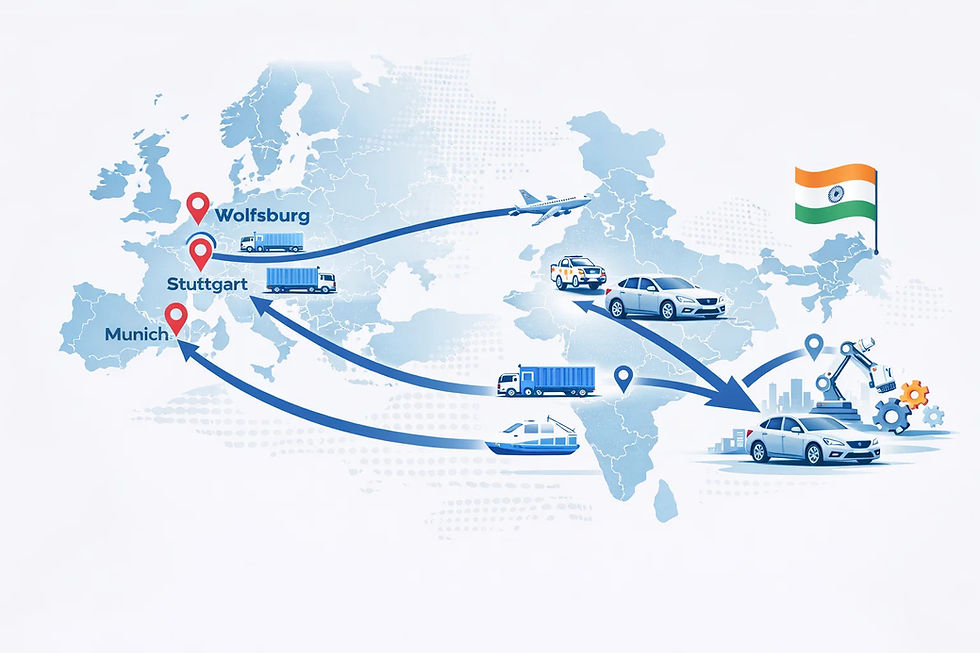
The German envoy noted that Indo–German economic links are already strong and growing. He pointed out that bilateral trade “grew by another six per cent last year”, with the trend moving “in the right direction” as ties strengthen. According to Hallier, nearly 2,000 German companies operate in India today, with the largest cluster in Pune’s automobile sector. In Pune, for example, several German original equipment manufacturers (OEMs) and their suppliers are present in the auto industry. Hallier said German firms are expanding beyond the traditional hubs of Pune and Bengaluru, noting “significant opportunities for German companies to expand into other regions of India”.
From a sectoral perspective, Hallier observed that the FTA “covers almost all sectors” and highlighted two areas of particular promise. Manufacturing has “always been important” for German investors, and there is “considerable potential in the information technology (IT) sector” as well. German companies have long focused on Bangalore for IT activities, but are now exploring other cities and regions. The Indo–EU deal is expected to facilitate exports in key industries on both sides and reduce trade barriers across a wide range of goods and services.
New Opportunities in Key Sectors and Regions
The FTA is also expected to open new avenues for investment. Hallier mentioned the Indo–German ‘Green and Sustainable Development Partnership’, which already supports renewable and solar energy projects in India. He noted that Indian states like Madhya Pradesh are particularly welcoming of German collaboration: leading institutions such as IIM, IIT and IISER in Madhya Pradesh maintain joint programmes with German counterparts, providing a “strong foundation for future cooperation”. Madhya Pradesh has also made significant progress in renewable energy, and Hallier said he sees “potential for German companies to invest in this area”.
In summary, the India–EU FTA is seen by both Indian and German officials as a catalyst for deeper economic ties. India’s government and EU leaders described the agreement as historic, with expectations of higher trade and investment flows. German business and diplomatic representatives, in turn, are optimistic that German exporters and investors will benefit – from expanded market access for machinery and automobiles to new opportunities in IT, energy and other sectors. All agree that the FTA’s implementation will be closely watched, as it paves the way for a stronger, rules-based trading relationship between the world’s largest democracies.


Comments